PCS Planning
Camp Humphreys: The Complete 2026 Guide to PCSing to Korea's Largest US Base
PCSing to Camp Humphreys, Korea's largest US base? Here's the complete 2026 guide to command sponsorship, on-post vs off-post housing, OHA and COLA, PCSing with pets, DoDEA schools, and daily life in Pyeongtaek.
By BaseNeed Team · July 23, 2026 · 18 min read read
Camp Humphreys PCS to Korea OCONUS PCS Korea Military Base Command Sponsorship
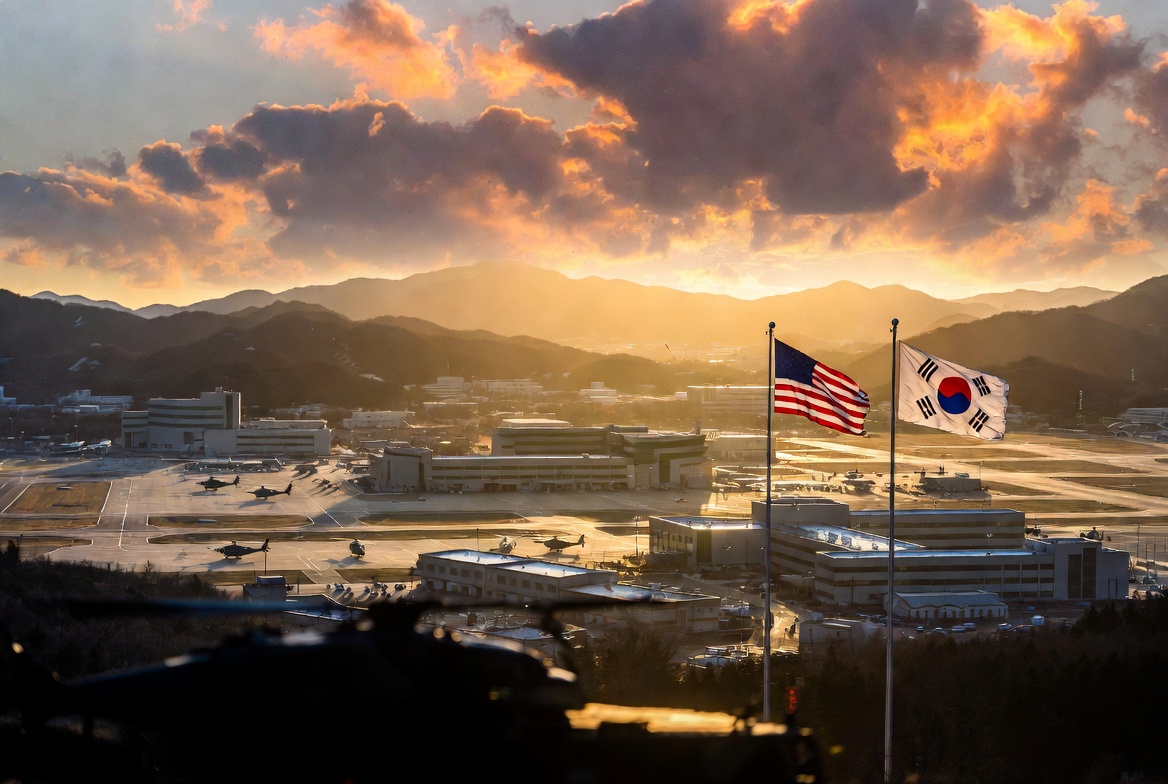
Camp Humphreys: The Complete 2026 Guide to PCSing to Korea's Largest US Base
By the BaseNeed Team — military family resources, updated 2026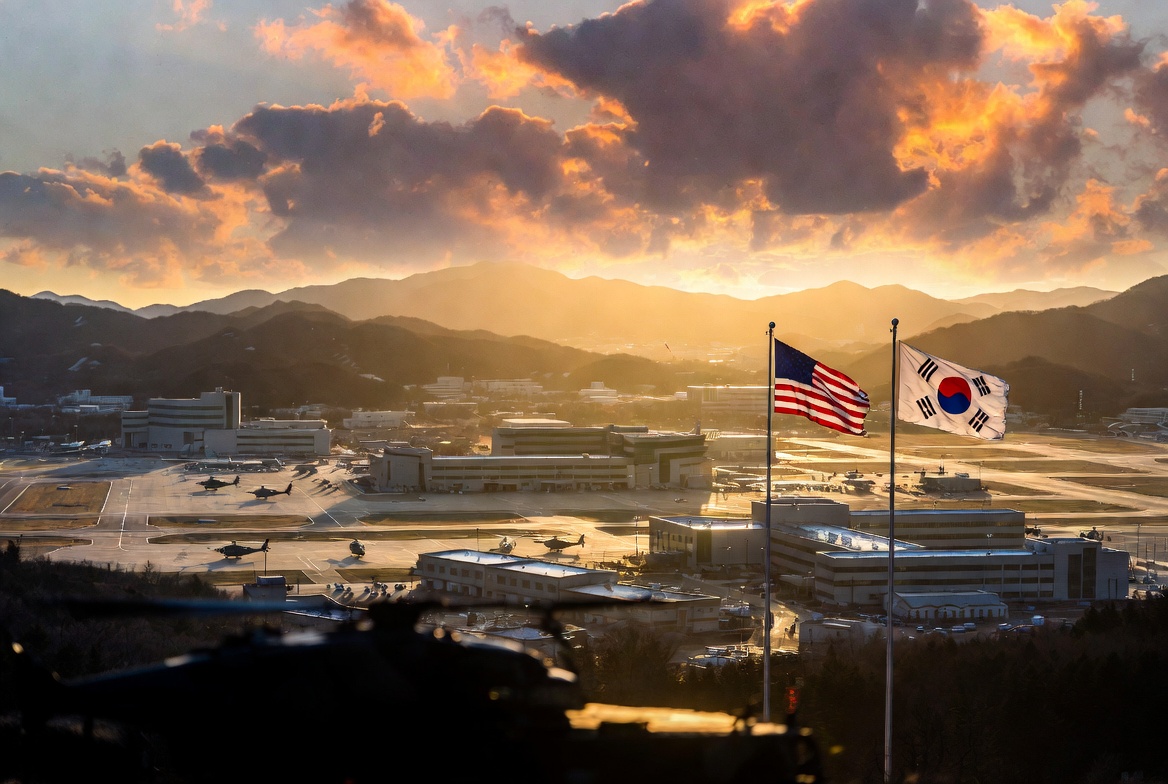
So the orders are official: you're PCSing to Camp Humphreys. Maybe you volunteered for it, maybe the assignment gods chose for you — either way, you're moving your life to the largest overseas US military base on the planet, tucked into the rice fields of Pyeongtaek, South Korea. Take a breath. A tour at Camp Humphreys (officially US Army Garrison Humphreys, or USAG Humphreys) is one of the most rewarding assignments in the force, but the move itself is a different animal from a stateside PCS. Command sponsorship, overseas allowances, pet quarantine paperwork, 220-volt appliances, and the Patriot Express rotator all come into play before you ever set foot on the peninsula.
This guide walks you through everything a family needs to know to PCS to Camp Humphreys in 2026 — where it is, how the move works step by step, how housing and money actually shake out, and how to build a life in Korea that you'll genuinely miss when it's time to leave. Let's get into it.
> Affiliate disclosure: BaseNeed is reader-supported. A few links below are Amazon affiliate links (tag: baseneed04-20), and we may earn a small commission if you buy through them — at no extra cost to you. We only point you toward gear that actually helps an OCONUS move.
Camp Humphreys at a Glance: Korea's Largest US Base
Camp Humphreys is the largest US military installation overseas, full stop. After a roughly $10.7 billion expansion — one of the biggest Department of Defense construction projects in history — the base absorbed units relocating from Yongsan Garrison in Seoul and from the old "Area I" camps up near the Demilitarized Zone. Today it sprawls across nearly 3,500 acres and is home to something like 41,000 people: service members, Department of the Army civilians, contractors, family members, and Korean national employees.
It is not just big; it is the nerve center of the US presence on the Korean Peninsula. Camp Humphreys hosts the headquarters of United States Forces Korea (USFK), the Combined Forces Command, United Nations Command, the Eighth US Army, and the 2nd Infantry Division / ROK-US Combined Division. Desiderio Army Airfield on post is the busiest US Army airfield in the Pacific.
For families, the day-to-day picture is what matters, and it's genuinely impressive. The garrison packs more than 650 buildings, including a modern Army hospital, four Department of Defense Education Activity (DoDEA) schools, one of the largest post exchanges in the entire DoD, a full commissary, the biggest gym of any overseas base, a bowling alley, and an 18-hole golf course. In other words, whatever you picture when you hear "isolated overseas hardship tour," Camp Humphreys is the opposite. People routinely finish a tour here and extend.
Where Is Camp Humphreys?
Camp Humphreys sits in the seaport city of Pyeongtaek, on the western coast of South Korea, roughly 40 miles (about 65 km) south of Seoul and around 60 miles from the DMZ. That location is a big part of why the base matters: it pulled the main US footprint away from the crowded, politically sensitive capital and away from the immediate border, while keeping forces well within reach of the peninsula's key terrain.
Just outside the main gate is Anjeong-ri, a walkable strip of Korean barbecue joints, tailors, phone shops, and bars that has grown up around the base. A little farther out is the Songtan/Osan area next to Osan Air Base — a separate US Air Force installation about a 20-minute drive away and the airport where most PCS travelers on the Patriot Express first touch Korean soil. Pyeongtaek's own train station connects to Korea's superb rail network, and Seoul is roughly an hour away by car or the KTX high-speed train. Incheon International Airport, one of the best-connected hubs in Asia, is about 90 minutes north.
The takeaway: Camp Humphreys feels self-contained and comfortable, but you are never truly stuck. Weekend trips to Seoul, Busan, or even Japan are completely normal.
Command Sponsorship: The Most Important Word in Your PCS to Korea
If you read nothing else in this guide, read this section. Command sponsorship is the single factor that determines what kind of Korea tour you have — and it must be approved before your family moves overseas.
Command sponsorship is official authorization for your family members to accompany you OCONUS for the full length of your tour. Being command-sponsored unlocks the entire "accompanied" package: government travel for your dependents, on-post family housing eligibility, overseas allowances for the whole family, DoDEA school enrollment, and full medical coverage in the Korea TRICARE Overseas network. Show up without it, and your family may be living off the economy on your dime, outside the on-post housing and schooling system, with far fewer protections.
As of the tour-length rules effective 1 October 2025, a command-sponsored (accompanied) tour at Camp Humphreys is generally 36 months, while an unaccompanied "all others" tour is 24 months. Those longer, more stable tour lengths are one reason Korea has shifted from a place families endured to a place families request. Before you get too far into planning, confirm your specific tour length and sponsorship status on your orders, because your allowances, your travel entitlements, and even your household goods shipment all flow from it.
One more critical dependency: command sponsorship for a family member with special medical or educational needs runs through the Exceptional Family Member Program. Make sure you clear the Exceptional Family Member Program (EFMP) screening early — an OCONUS assignment can be delayed or denied if the peninsula can't support a documented need, and finding that out late is a nightmare you want to avoid.
How to PCS to Camp Humphreys: A Step-by-Step Timeline
A move to Korea rewards early starters and punishes procrastinators. Here's the realistic sequence for a smooth PCS to Camp Humphreys.
- Get command sponsorship approved (as early as possible). This is the gate everything else passes through. Start the packet the moment you have assignment notification. If a family member is enrolled in EFMP, begin that review simultaneously.
- Attend your levy/PCS briefing and build your binder. Your losing installation's transportation office and the Eighth Army newcomer resources will walk you through Korea-specific steps. This is the moment to build a PCS binder with orders, sponsorship approval, passports, medical and shot records, pet paperwork, and vehicle documents in one place.
- Apply for no-fee (official) passports for all dependents. OCONUS travel requires them, and processing takes time. Do this early.
- Understand your household goods and unaccompanied baggage. Korea housing is smaller than most US homes, and your shipping limits are tied to rank. Review your PCS weight allowance and plan an express "unaccompanied baggage" shipment for the essentials you'll need before your main shipment arrives by sea.
- Book travel on the Patriot Express. Most families fly the AMC-chartered Patriot Express rotator into Osan Air Base. If you're bringing a pet, this is where it gets stressful — see the pet section below.
- Arrange sponsorship and lodging. Your gaining unit assigns a sponsor who can answer questions and help with arrival. Reserve on-post Army lodging (or approved temporary quarters) for your first days while you sort housing.
- In-process at Camp Humphreys. Report to the replacement/reception detachment, in-process finance, housing, and DEERS, get your SOFA documents, and start the housing assignment process.
Give yourself margin at every step. The families who struggle are almost always the ones who started the command sponsorship and pet processes a month too late.
Camp Humphreys Housing: On-Post and Off-Post Options
Housing is the number-one question every inbound family asks, so let's be concrete. Command-sponsored families at Camp Humphreys generally choose between on-post family housing and off-post housing on the local economy.
On-post housing at Humphreys is mostly modern mid-rise and high-rise apartment "towers," and it's genuinely nice — but demand is high and there can be a wait, especially for larger units. When you live on post, your Overseas Housing Allowance is essentially forfeited in exchange for government quarters, and utilities are included, so budgeting is simple.
Off-post housing means renting an apartment (an "officetel" or villa) in Pyeongtaek, Anjeong-ri, or nearby neighborhoods, using your Overseas Housing Allowance (OHA) to cover rent up to your rank-based cap plus a utilities allowance. Off-post gives you more space and a more immersive Korean experience, but Korean leases often involve a large deposit ("key money") and a realtor fee, and you'll manage your own utilities.
Here's how the two stack up:
Camp Humphreys Housing Comparison: On-Post vs Off-Post (2026)
| Factor | On-Post Family Housing | Off-Post Housing (Economy) |
|---|---|---|
| Cost to you | OHA forfeited; utilities included | Rent covered by OHA up to cap; utility allowance provided |
| Space | Apartment towers, standardized sizes | Often larger; more variety |
| Wait time | Can involve a waitlist, esp. larger units | Usually available faster |
| Commute | Walk or short shuttle to work/schools | Short drive or bus; varies by neighborhood |
| Upfront money | Minimal | Deposit ("key money") + possible realtor fee |
| Korean immersion | Lower — very "little America" | Higher — you live among neighbors |
| Best for | Convenience, simplicity, first-timers | Space, savings potential, cultural experience |
There's no universally "right" answer. First-time OCONUS families often start on post for simplicity, then decide at their next housing window. Whatever you choose, tour the actual unit or neighborhood before committing, and lean on your sponsor and the housing office — they do this every single day.
OHA, COLA, and Your Overseas Allowances Explained
Your money works differently overseas, and misunderstanding it is a classic rookie mistake. At Camp Humphreys you do not receive BAH. Instead, command-sponsored members off post receive a stack of overseas allowances:
- Overseas Housing Allowance (OHA): Reimburses your actual rent up to a rank-based ceiling, plus a separate utility/recurring-maintenance allowance. Unlike BAH, OHA is designed to cover what you actually pay, not a flat rate you can "beat."
- Overseas Cost of Living Allowance (COLA): Offsets the higher cost of goods and services compared with a US average. It fluctuates with exchange rates and DoD surveys, so it can rise or fall during your tour.
- Move-In Housing Allowance (MIHA): Helps with one-time move-in costs off post, such as required deposits and fixture purchases.
- Temporary Lodging Allowance (TLA): Covers lodging and meals while you're in temporary quarters right after arrival (and before departure). TLA is the overseas cousin of the stateside lodging allowance — if you've read our note on temporary lodging allowance for an overseas PCS, the concept carries over, though the Korea specifics differ.
A word of caution: because COLA and OHA move with exchange rates, your take-home can shift month to month. Build a small buffer and don't budget as if COLA is guaranteed forever. For spouses hoping to keep earning, Korea's SOFA status and the base economy mean on-post jobs and remote jobs for military spouses are often the most practical path, since working directly on the Korean economy involves visa and SOFA considerations.
What to Know Before You PCS With Pets to Korea
Pets are the part of a Korea PCS that breaks the most hearts, so plan for them like the mission-critical task they are. Two separate hurdles exist: getting your pet legally admitted to Korea, and getting your pet physically on the plane.
On the import side, South Korea requires an ISO-standard microchip, a current rabies vaccination, a rabies antibody titer test in many cases, and a health certificate endorsed by USDA APHIS within a tight window before travel. Get every date and signature right and pets generally clear without a lengthy quarantine; get one detail wrong and you risk delays or quarantine. Start this with your vet months out, not weeks.
On the travel side, the real bottleneck is space. The Patriot Express has a limited number of pet slots per flight, they fill fast, and there are seasonal embargoes when it's too hot to fly animals in cargo. Osan's terminal also has specific rules — pets generally must travel with their owner or a designated representative. If your family's move hinges on the dog coming too, that pet slot should drive your travel dates, not the other way around. Our deep dive on PCSing with pets covers the crate, the paperwork, and the sanity-savers in detail.
If you're flying a pet, invest in a compliant travel crate now rather than scrambling at the terminal.
> Popular pick: An IATA airline-approved pet travel crate sized correctly for your animal is non-negotiable for the rotator. View on Amazon
Living in Korea as a Military Family: Schools, Healthcare, and Daily Life
Once you're settled, this is where Camp Humphreys shines. The base is built for families.
Schools. Four DoDEA schools serve the community on post, from elementary through high school, following a US curriculum with US-credentialed teachers. That continuity matters enormously for military kids who move often. Spots and specific programs vary by year, so enroll early using your command-sponsored status.
Healthcare. The on-post Army hospital delivers a full range of care, and command-sponsored families are covered through TRICARE Overseas. Care networks and referral rules differ from stateside plans, so it's worth understanding how your coverage translates — our comparison of how TRICARE Prime and Select compare is a useful primer before you transition into the overseas system.
Shopping and services. The Camp Humphreys Exchange is one of the largest in the DoD, the commissary is fully stocked, and you'll find a food court, theater, gyms, chapels, and community programs. Off post, Korean grocery stores, markets, and the famous delivery culture (almost anything, almost any hour) round out daily life. Many families find their grocery bills and dining costs pleasantly reasonable compared with the US.
Safety and culture. South Korea is consistently ranked among the safest countries in the world, with very low violent crime. Add world-class public transit, fast internet, incredible food, and a rich culture a short train ride away, and you have an assignment families remember for the rest of their lives.
Getting Around: Driving, Trains, and Exploring Korea
You have options, and you don't necessarily need a car. To drive, you'll complete a SOFA driver's orientation and licensing process after arrival; traffic and parking around a dense Korean city take adjustment, but plenty of families drive happily. Many skip a second vehicle entirely.
Public transportation is a genuine perk. The base sits near Pyeongtaek's rail connections, and Korea's KTX high-speed trains can whisk you to Seoul in about an hour or to Busan on the south coast for a weekend. In-city, buses and app-based taxis (Kakao Taxi is the standard) are cheap and reliable. A rechargeable transit card gets you on subways and buses across the country.
If you do bring or buy a vehicle, remember Korea drives on the right (like the US), but road signs, etiquette, and camera-enforced speed limits differ. Give yourself a few weeks to get comfortable before any long road trips.
What to Pack (and What to Leave Behind) for Camp Humphreys
Smart packing for Korea is less about quantity and more about voltage, space, and climate.
Mind the voltage. Korea runs on 220 volts at 60 Hz with European-style round-pin outlets. Many modern electronics (laptops, phone chargers) are dual-voltage and just need a plug adapter, but high-wattage US appliances — vacuums, mixers, some hair tools — will need a step-down transformer or should be left behind and re-bought locally. Sort this before you ship, not after you fry a $200 appliance.
> Popular pick: A quality step-down voltage transformer keeps your favorite US appliances alive on Korea's 220V power. View on Amazon
Plan for smaller spaces. Korean housing runs smaller than the average US home, and closets are compact. This is the tour to purge, not to hoard. Vacuum storage bags are a lifesaver for seasonal clothing and bedding in a smaller apartment.
> Popular pick: Space-saving vacuum storage bags make a smaller Korean apartment feel far bigger. View on Amazon
Dress for four real seasons. Summers are hot, humid, and include a monsoon (Jangma) stretch and the occasional typhoon; winters are genuinely cold. Bring rain gear, a warm coat, and layers. And pack a two-week "arrival kit" in your unaccompanied baggage — bedding, a few kitchen basics, work uniforms, and kids' essentials — so you're comfortable long before your sea shipment lands.
Common Camp Humphreys PCS Mistakes to Avoid
Learn from the families who came before you:
- Starting command sponsorship late. It's the gate for everything. Late paperwork ripples into travel, housing, and schooling delays.
- Underestimating the pet timeline. Titer tests and USDA endorsements have hard deadlines, and Patriot Express pet slots are scarce. Book the pet first.
- Over-shipping furniture. Big US sectionals and king beds often don't fit Korean apartments or elevators. Measure, and consider government loaner furniture.
- Assuming BAH. You get OHA, COLA, and TLA overseas — not BAH. Budget for exchange-rate swings.
- Skipping the arrival kit. Sea shipments take weeks. Pack unaccompanied baggage like you'll live out of it, because you will.
- Not lining up spouse work early. If income continuity matters, sort remote or on-post options before you leave, given SOFA employment rules.
Sidestep these six and you're ahead of most inbound families.
Key Takeaways
- Camp Humphreys in Pyeongtaek is the largest US overseas base — modern, family-friendly, and the headquarters of the US presence in Korea.
- Command sponsorship is the master key; get it (and any EFMP screening) approved before your family moves.
- Tours effective 1 Oct 2025 run 36 months accompanied / 24 months unaccompanied — confirm yours on your orders.
- Overseas you receive OHA, COLA, MIHA, and TLA, not BAH; on-post housing trades OHA for included utilities.
- Pets and the Patriot Express are the tightest bottleneck — start paperwork and book pet slots months out.
Frequently Asked Questions
Where is Camp Humphreys located? Camp Humphreys (USAG Humphreys) is in Pyeongtaek, South Korea, on the country's west coast — roughly 40 miles south of Seoul and about 60 miles from the DMZ. Osan Air Base, where the Patriot Express lands, is about a 20-minute drive away.
How long is a tour at Camp Humphreys? Under the rules effective 1 October 2025, a command-sponsored (accompanied) tour is generally 36 months, and an unaccompanied "all others" tour is 24 months. Always confirm the exact length printed on your orders.
Can my family come with me to Camp Humphreys? Yes, if you're approved for command sponsorship before the move. Command sponsorship authorizes dependents to accompany you for the full tour and unlocks government travel, on-post housing, DoDEA schools, and family overseas allowances.
Can I bring my pet to Camp Humphreys in Korea? Usually, yes — but plan far ahead. Korea requires a microchip, current rabies vaccination, often a rabies titer test, and a USDA APHIS-endorsed health certificate. The bigger challenge is limited pet space on the Patriot Express, so book that slot early and let it drive your travel dates.
Do you get BAH or OHA at Camp Humphreys? Overseas you receive Overseas Housing Allowance (OHA) for off-post rent, plus COLA and, at move-in, MIHA, and TLA for temporary lodging — not BAH. If you take on-post housing, you generally forfeit OHA in exchange for government quarters with utilities included.
What to Do Next
- Confirm your orders and tour length, and start the command sponsorship packet immediately.
- Kick off EFMP screening for any family member with medical or educational needs.
- Book your pet's travel and paperwork before anything else if a pet is coming.
- Apply for no-fee passports for all dependents.
- Build your PCS binder and review your weight allowance so nothing gets left to the last minute.
- Message your sponsor at Camp Humphreys with your questions — that's exactly what they're there for.
More From BaseNeed
- Exceptional Family Member Program (EFMP) 2026 Guide
- PCS With Pets: 11 Truths About Military Moves
- PCS Weight Allowance 2026: Limits by Rank
- Ramstein Air Base Guide: Living at Europe's Largest US Base
- PCS Binder Checklist: What to Include in 2026
- 2026 PCS Season Survival Guide
- Plan your budget with the BAH/OHA calculator, grab the PCS checklist, and browse more base guides.
Sources and Resources
- USAG Humphreys — Official Garrison Website (U.S. Army)
- Eighth Army Newcomers: Command Sponsorship (U.S. Army)
- Eighth Army Newcomers: Traveling with Pets (U.S. Army)
- Military OneSource — Moving and PCS
- Defense Travel Management Office — OHA & Overseas COLA
- Official DoD Household Goods / PCS Portal (move.mil)
- USDA APHIS — Pet Travel to South Korea
BaseNeed is built by and for the US military community. We translate the fine print of military life — PCS moves, allowances, benefits, and base guides — into plain English so your family can move smarter and stress less. Have a Camp Humphreys tip we should add? Send it our way, and safe travels to the Land of the Morning Calm.
Read Full Article on BaseNeed →
Related PCS Planning guides
- → What Is PCS in the Military? Meaning, Orders, Timeline and What Happens Next (2026) — 8 min read read
- → Fort Cavazos (Now Fort Hood): The Complete 2026 PCS & Base Guide — 14 min read read
- → Dislocation Allowance (DLA) 2026: Rates by Rank and How to Claim It — 13 min read read
- → Overseas Housing Allowance (OHA): The Complete 2026 Guide to Overseas BAH, Rates & the OHA Calculator — 15 min read read
- → DITY Move (PPM) 2026: Rates, Weight Tickets, and How to Get Paid — 14 min read read
- → PCS Binder: The Complete 2026 Checklist of What to Include for a Smooth Military Move — 14 min read read