Military Life
Category: Types, Uses & Examples in Classification Systems
A comprehensive guide to understanding categories, their fundamental role in classification systems, and how they help organize information. Explore different types of categories and their practical applications in various fields.
By BaseNeed Team Steven Smith · June 6, 2026 · 5 min read read
classification taxonomy organization categorization grouping
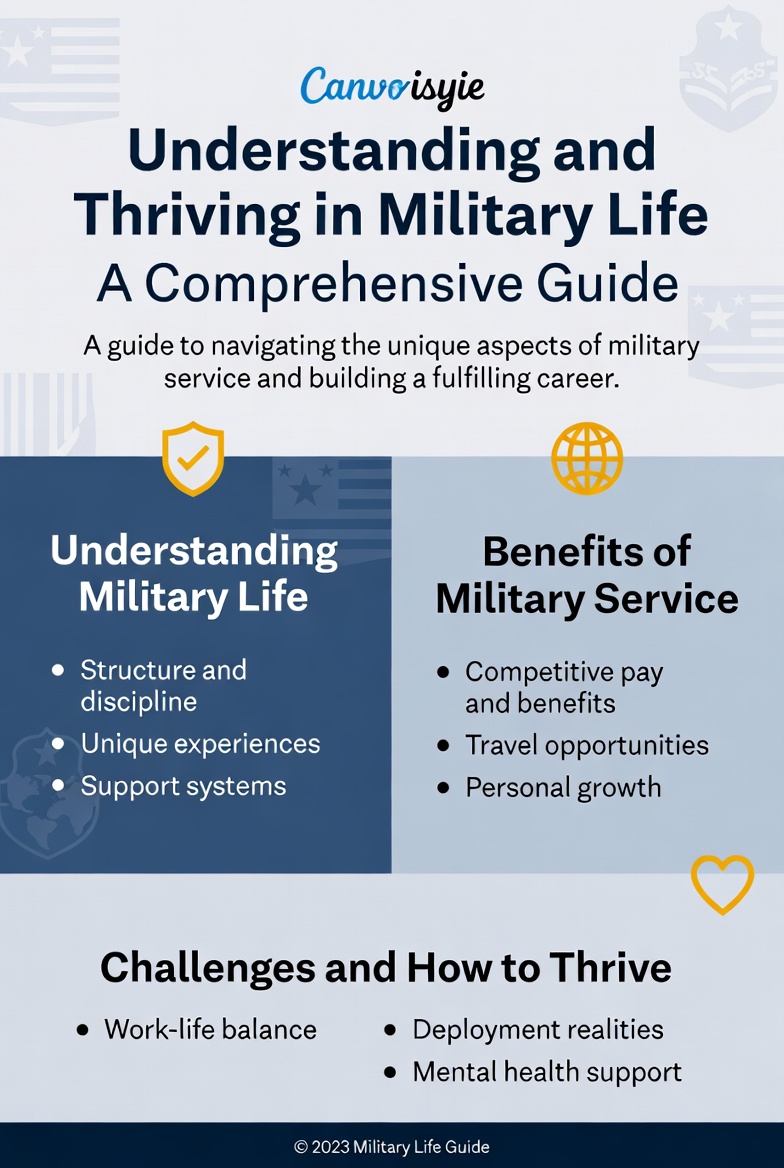
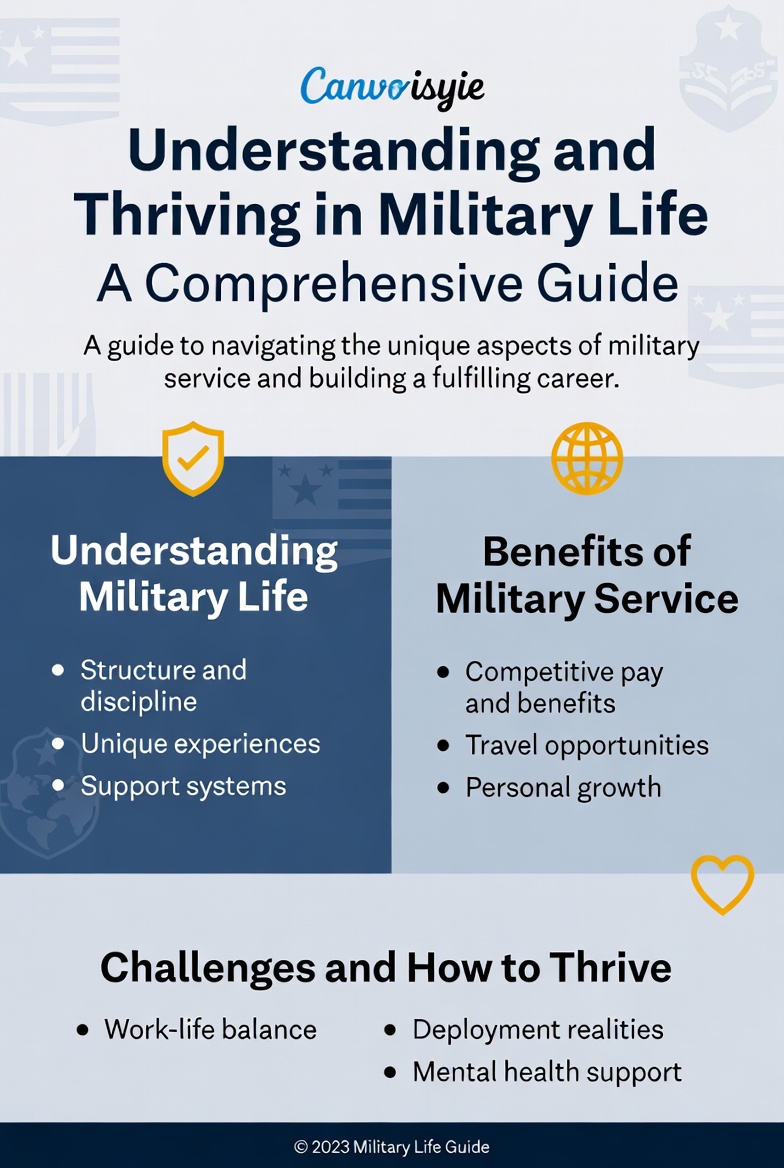 # Understanding and Thriving in Military Life: A Comprehensive Guide
Military life presents a unique blend of challenges, opportunities, and experiences that shape not only service members but also their families. This comprehensive guide explores the various aspects of military life and provides practical insights for navigating this distinctive lifestyle successfully.
The Foundation of Military Life
Military service is more than just a career choice – it's a complete lifestyle that affects every aspect of daily living. From the structured routine to the strong sense of duty and honor, military life creates a distinct culture that sets it apart from civilian life. Understanding these foundational elements is crucial for both new service members and their families.
Core Values and Principles
Each branch of the military emphasizes specific core values: - Army: Loyalty, Duty, Respect, Selfless Service, Honor, Integrity, Personal Courage - Navy and Marine Corps: Honor, Courage, Commitment - Air Force: Integrity First, Service Before Self, Excellence in All We Do - Coast Guard: Honor, Respect, Devotion to Duty
These values serve as guiding principles that shape both professional conduct and personal development.
Adapting to Military Culture
Daily Structure and Discipline
Military life operates on a highly structured schedule. From morning physical training (PT) to scheduled duties and responsibilities, service members must quickly adapt to a regimented lifestyle. This structure extends beyond the workplace and often influences family routines as well.
Communication and Protocol
Understanding military communication is essential: - Chain of command - Military time - Proper addressing of ranks - Standard operating procedures (SOPs) - Military acronyms and terminology
Managing Military Family Life
Frequent Relocations (PCS)
Permanent Change of Station (PCS) moves are a regular part of military life. Here are key strategies for managing relocations:
- Maintain organized documentation
- Research new duty stations thoroughly
- Utilize military moving resources
- Establish support networks quickly
- Help children adjust to new schools and environments
Maintaining Family Connections
During deployments and separations: - Establish communication routines - Utilize technology for virtual connections - Create meaningful traditions - Support children's emotional needs - Maintain strong support systems
Career Development and Education
Military Training and Advancement
Professional development in the military includes: - Initial entry training - Advanced individual training - Leadership development courses - Specialized skill training - Professional military education
Educational Opportunities
The military offers numerous educational benefits: - GI Bill programs - Tuition assistance - Credentialing opportunities - Spouse education support - Training certifications
Financial Management and Benefits
Military Pay and Allowances
Understanding military compensation: - Base pay - Basic Allowance for Housing (BAH) - Basic Allowance for Subsistence (BAS) - Special and incentive pays - Combat zone tax benefits
Healthcare and Insurance
TRICARE benefits and options: - Medical coverage - Dental programs - Vision care - Mental health services - Family member coverage
Building Resilience
Mental Health and Wellness
Supporting psychological resilience: - Stress management techniques - Access to counseling services - Deployment preparation - Reintegration support - Combat stress awareness
Physical Fitness and Health
Maintaining military fitness standards: - Regular physical training - Nutrition awareness - Sleep management - Injury prevention - Recovery strategies
Creating Community Connections
On-Base Resources
Utilizing available support services: - Family readiness groups - Military OneSource - Base recreation facilities - Child care services - Religious services
Off-Base Integration
Building civilian connections: - Local community involvement - Volunteer opportunities - Professional networking - Social activities - Cultural integration
Practical Tips for Military Life Success
- Stay informed about benefits and entitlements
- Maintain important documents in an easily accessible location
- Build strong support networks at each duty station
- Embrace flexibility and adaptability
- Prioritize family communication and bonding
- Take advantage of professional development opportunities
- Practice financial responsibility
- Focus on physical and mental wellness
- Engage with military and civilian communities
- Maintain work-life balance
Planning for the Future
Career Transition
Preparing for civilian life: - Transition assistance programs - Resume building - Interview skills - Networking opportunities - Veteran resources
Retirement Planning
Long-term financial security: - Military pension options - Thrift Savings Plan (TSP) - Survivor Benefit Plan - Healthcare continuation - Insurance planning
Conclusion
Military life offers unique challenges and remarkable opportunities for personal and professional growth. Success in this lifestyle requires adaptability, resilience, and a strong support system. By understanding and utilizing available resources, maintaining strong family connections, and focusing on personal development, service members and their families can thrive in the military community.
Remember that the military provides numerous resources and support systems – don't hesitate to use them. Whether you're a new service member, a seasoned veteran, or a military family member, staying informed and connected will help you navigate the complexities of military life successfully.
The key to thriving in military life lies in embracing its unique aspects while maintaining personal identity and family bonds. By following the guidance provided in this article and remaining flexible in the face of change, you can create a fulfilling and successful military life experience for yourself and your family.
Read Full Article on BaseNeed →
Related Military Life guides
- → Basic Allowance for Housing (BAH): The Complete 2026 Guide to Rates, Dependents & How It's Calculated — 13 min read read
- → Military Car Buying: The Complete 2026 Guide to Auto Loans, SCRA Protections & Avoiding Dealer Traps — 14 min read read
- → Military Spouse Income During Deployment: Stack Pay, Budget the Extra & Add Flexible Work (2026) — 8 min read read
- → Military Discount Flights: The Complete 2026 Guide to Airline Military Discounts, Free Bags & Cheap Fares — 14 min read read
- → Blended Retirement System: The Complete 2026 Guide to BRS, TSP Matching & Your Military Retirement — 14 min read read
- → Basic Training Graduation Gifts: 45+ Ideas by Branch, Budget & What Recruits Actually Want (2026) — 13 min read read