Housing
Decoding Housing Inspections: On & Off-Base Readiness for 2026
Housing inspections are a regular part of military life, whether you're living in base housing or renting off-base. Understanding what inspectors look for can save you stress, time, and money.
By BaseNeed Team · November 16, 2026 · 13 min read read
housing inspections on-base housing off-base rentals move-out inspections housing maintenance military families bah stretching landlord tenant rights
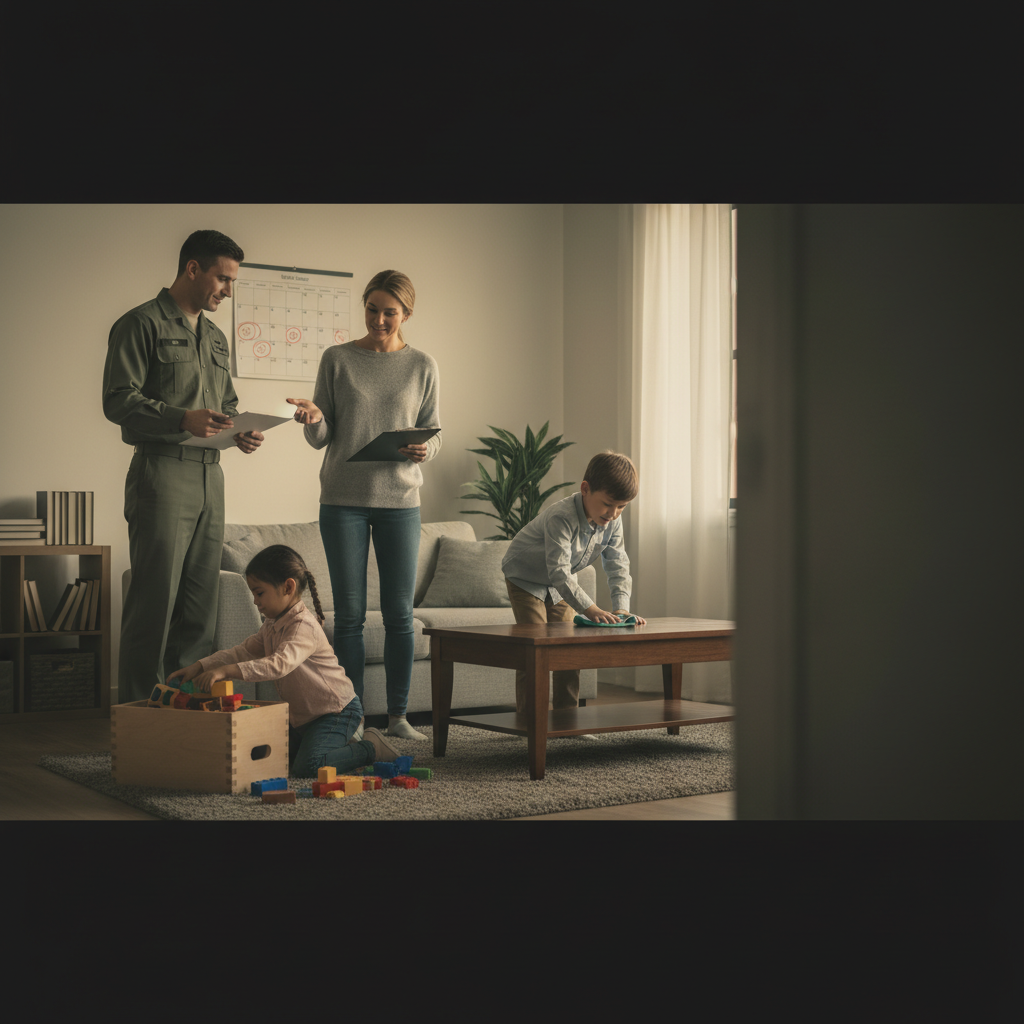
For military families in 2026, housing is more than just a roof over your head; it's your home, your sanctuary, and often, a key component of your financial well-being. Whether you're nestled in base housing or navigating the local rental market, the word "inspection" can sometimes spark a little anxiety. But it doesn't have to! Understanding what housing inspections entail, how to prepare, and what your rights and responsibilities are can turn a potentially stressful event into a routine checkpoint. This guide aims to demystify the process, helping you sail through inspections with confidence, keep your living space in top shape, and protect your housing allowance.
Key Takeaways
- Understand the specific inspection criteria for your housing type, whether on-base or off-base.
- Maintain your home regularly, addressing minor issues before they become major problems.
- Document everything, from move-in condition to communication with housing authorities or landlords.
- Prioritize safety checks, ensuring smoke detectors, CO detectors, and fire extinguishers are functional.
- Know your rights and responsibilities as a tenant, especially regarding normal wear and tear versus damage.
1. On-Base Housing Inspections: What to Expect
Living in military housing offers a unique set of benefits, from community to convenience. It also comes with specific responsibilities, particularly regarding regular housing inspections. These inspections are designed to ensure the safety, habitability, and upkeep of government or privatized housing units.
Why Do They Happen?
On-base inspections serve several purposes:
- Safety Checks: Ensuring smoke detectors, carbon monoxide detectors, and other safety equipment are functional and up to code.
- Maintenance Needs: Identifying necessary repairs, from leaky faucets to appliance issues, to keep homes well-maintained.
- Standard Adherence: Verifying that residents are maintaining the property according to the terms of their housing agreement.
- Readiness: For privatized housing, inspections help ensure properties are ready for future occupants and that standards are met by the housing management company.
Types of On-Base Inspections
While specific names may vary by installation and housing provider (e.g., Balfour Beatty, Corvias, Hunt), you'll generally encounter:
Move-In Inspection: Crucial for documenting the property's condition before* you unpack. More on this below. * Routine/Scheduled Inspections: These happen periodically (quarterly, semi-annually, or annually) and are typically announced in advance. They focus on overall cleanliness, minor maintenance, and safety. * Change of Command/Leadership Inspections: Sometimes, new base leadership will conduct housing tours or inspections to familiarize themselves with the community and identify trends. * Pre-Move-Out/Final Move-Out Inspection: The big one before you PCS. This determines what, if any, charges you might incur for damages beyond normal wear and tear.
Preparing for an On-Base Inspection
A little preparation goes a long way. Here's a checklist:
- Cleanliness is Key: This is often the primary focus. Deep clean kitchens (grease traps, ovens, refrigerators), bathrooms (grout, fixtures), and ensure general tidiness throughout the home.
- Safety First: Confirm all smoke and carbon monoxide detectors are working (test them!). If you have a fire extinguisher, ensure it's accessible and charged.
- Yard Maintenance: If you're responsible for your yard, ensure it's mowed, edged, and free of debris.
- Clutter Control: While inspectors won't dig through your personal belongings, excessively cluttered areas can sometimes raise concerns about potential pests or fire hazards.
- Review Your Housing Agreement: This document is your rulebook. It outlines your specific responsibilities regarding maintenance, modifications, and cleanliness.
Pro-Tip: Take photos or videos before and after you clean and address issues, especially for move-out. This provides crucial documentation if there are disputes.
2. Off-Base Rental Inspections: Navigating Landlord Expectations
For many military families, living off-base offers flexibility, more space, or specific school district options. However, it also means dealing with private landlords or property management companies, whose inspection processes and legal frameworks differ from on-base housing. Your Basic Allowance for Housing (BAH) is a critical factor here; stretching it smartly and avoiding unnecessary fees is paramount. You can always check the current BAH rates by area to understand your housing budget better.
Why Do Landlords Conduct Inspections?
Landlords inspect properties for similar reasons to on-base housing, but with a commercial lens:
- Property Preservation: Protecting their investment by ensuring tenants are maintaining the property.
- Lease Compliance: Checking for unauthorized occupants, pets, or alterations that violate the lease.
- Maintenance Needs: Identifying issues early to prevent costly repairs and maintain property value.
- Safety and Insurance: Ensuring the property meets safety standards and doesn't pose undue risks.
Types of Off-Base Inspections
Move-In Inspection (Walk-Through): Absolutely critical. Document everything* with photos and notes before you sign off. * Routine/Periodic Inspections: Often semi-annually or annually, usually with advance notice (state laws dictate required notice period, typically 24-48 hours). * Drive-By Inspections: Landlords may check the exterior of the property without prior notice, especially if there's a concern about yard upkeep or visible damage. * Move-Out Inspection: Similar to on-base, this determines deductions from your security deposit.
Preparing for an Off-Base Inspection
The principles are similar to on-base, but with greater emphasis on your lease agreement:
- Consult Your Lease: Your lease is the ultimate guide for your responsibilities. Pay close attention to clauses on cleaning, maintenance, yard care, and any restrictions (e.g., hanging pictures, painting).
- General Cleanliness: Just like on-base, a clean home makes a good impression.
- Address Tenant-Caused Damages: If you've accidentally caused damage (e.g., a hole in the wall, a stained carpet), proactively repair it or be prepared for deductions from your security deposit.
- Report Maintenance: If there are legitimate maintenance issues (e.g., a broken appliance not caused by you, a leaky roof), report them in writing to your landlord before the inspection.
- Pest Control: Ensure your home is free of pests. Some leases make tenants responsible for certain types of pest control.
- Yard Work: If your lease specifies yard maintenance, ensure it's up to par.
Document, Document, Document!
This cannot be stressed enough for off-base rentals:
Move-In Condition: The most important documentation. Take extensive photos and videos of every room, appliance, fixture, and any existing damage or wear before* you move your belongings in. Ensure your landlord signs off on a detailed move-in checklist. * Communication: Keep copies of all written communication with your landlord or property manager, especially regarding maintenance requests, inspection notices, and any disputes. * Repairs: Document any repairs you make (with landlord approval, if required) and any repairs made by the landlord.
This robust documentation is your best defense against unfair charges at move-out.
3. The Move-Out Inspection: Protecting Your Deposit and Avoiding Fees
The move-out inspection, whether on-base or off-base, is where the rubber meets the road. This is when your living standards, maintenance habits, and documentation skills truly pay off.
Understanding "Normal Wear and Tear" vs. "Damage"
This distinction is crucial, as you are generally not responsible for normal wear and tear, but are responsible for tenant-caused damage.
- Normal Wear and Tear: Deterioration that occurs with ordinary use over time.
- Damage: Deterioration caused by negligence, carelessness, accident, or abuse.
The Pre-Move-Out Inspection (If Available)
Some on-base housing providers and landlords offer a pre-move-out inspection. Take advantage of this! It's a chance to walk through the property with the inspector, identify potential issues, and address them before the final inspection. This can save you significant money.
Your Move-Out Checklist
- Deep Clean Everything: This includes appliances (oven, refrigerator, microwave), bathrooms, floors, walls, windows, and light fixtures. Don't forget hard-to-reach places like baseboards and ceiling fans.
- Make Repairs: Address any minor damages you're responsible for (e.g., nail holes from pictures, minor scuffs).
- Yard Work: Ensure the yard is mowed, edged, and free of debris.
- Remove All Belongings: Leave nothing behind, not even trash. This often incurs a removal fee.
- Return Keys: Ensure all keys, fobs, and access cards are returned as per your agreement.
- Utilities: Follow instructions for turning off or transferring utilities.
- Take Photos/Video: After everything is cleaned and vacated, take extensive, date-stamped photos and videos of the entire property. This is your final defense.
- Be Present: Try to be present for the final inspection. This allows you to ask questions and address concerns in real-time.
4. Stretching Your BAH & Avoiding Hidden Costs
Your BAH is a substantial part of your compensation, intended to cover your housing expenses. Smart planning around inspections and maintenance helps you keep more of it. Find more resources to help manage your military finances on our military life resources page.
The Cost of Neglect
- On-Base: Failing an inspection can lead to re-inspection fees, charges for excessive cleaning, or deductions from your entitlement if repairs are needed due to tenant negligence. In severe cases, it can impact your command relationship.
- Off-Base: Damage beyond normal wear and tear will be deducted from your security deposit. If damages exceed the deposit, you could receive a bill and even face legal action. Cleaning fees can be substantial if the property isn't returned in the required condition.
Proactive Maintenance Saves Money
- Regular Cleaning: A little effort daily/weekly prevents major deep-cleaning tasks before inspections.
- Minor Repairs: Fix small issues (e.g., leaky faucet, running toilet) promptly. This prevents water damage, mold, and larger repair bills.
- Air Filters: Change them regularly (usually monthly or quarterly). This improves air quality, reduces utility costs, and prevents housing from charging you for dirty filters.
- Pest Control: Proactive measures (e.g., keeping food sealed, cleaning crumbs) can prevent infestations that are costly to remedy.
Using Your BAH Smartly
- Budgeting: Use tools like our BAH calculator to understand your allowance and create a realistic budget for rent, utilities, and potential maintenance.
- Security Deposit: Factor in the security deposit for off-base rentals. While it should be returned, plan as if it won't be immediately available post-move.
- Emergency Fund: Have a small emergency fund for unexpected costs, such as a burst pipe (even if landlord's responsibility, you might need temporary shelter) or minor tenant-caused damage you wish to fix yourself.
- Compare Costs: When considering housing, look at more than just rent. Factor in utility averages, potential HOA fees (for some off-base communities), and commuting costs. Our on-base and off-base housing listings can help you explore options.
5. Your Rights and Responsibilities as a Tenant
Understanding your rights and responsibilities empowers you to navigate inspections and housing issues effectively.
On-Base Housing (Government or Privatized)
- Right to Notice: You should receive adequate notice before any routine inspection (usually 24-72 hours, check your specific housing agreement).
- Right to Privacy: Inspectors should not open locked drawers, cabinets, or personal belongings without consent or specific legal justification.
- Right to a Safe Home: Housing is obligated to provide a safe, habitable home and address reported maintenance issues in a timely manner.
- Responsibility for Upkeep: You are responsible for keeping the property clean, reporting maintenance issues promptly, and not making unauthorized alterations.
- Reporting Concerns: If you have issues with privatized housing management, utilize official channels like your installation's Housing Office, Command, or the Resident Bill of Rights for Military Families.
Off-Base Rentals (State and Local Laws Apply)
- Right to Notice: Landlords typically must provide written notice (e.g., 24-48 hours) before entering your property for non-emergency reasons. Check your state's landlord-tenant laws.
- Right to Quiet Enjoyment: You have a right to live peacefully without unreasonable interference from the landlord.
- Right to a Habitable Home: Landlords must provide a safe and healthy living environment and address major repairs affecting habitability.
- Right to Your Security Deposit: Landlords must return your security deposit within a state-mandated timeframe, providing an itemized list of any deductions.
- Responsibility for Rent: Pay rent on time.
- Responsibility for Property Care: Keep the property clean, don't damage it, and report maintenance issues.
- Following the Lease: Adhere to all terms of your lease agreement.
- Reporting Concerns: If you have disputes, follow the communication protocols in your lease (usually written notice). If issues persist, consult your installation's Legal Assistance Office, a tenant's rights organization, or state consumer protection agencies.
For broader support and information on managing various aspects of military life, remember to explore our base guides and other military life resources.
FAQ
What happens during a military housing inspection? During a military housing inspection, housing officials or their designees check for cleanliness, maintenance issues, safety hazards, and adherence to housing policies. They assess general upkeep, proper use of utilities, and any unauthorized modifications. The goal is to ensure the property meets established standards for health, safety, and readiness for future occupants.
What do they look for in a move-out inspection? Move-out inspections, both on-base and off-base, typically focus on assessing wear and tear beyond normal limits. Inspectors check for damages, cleanliness, proper removal of personal items, and any repairs needed. The goal is to ensure the property is returned in a condition consistent with the lease agreement, accounting for normal depreciation.
How often are base housing inspections? The frequency of base housing inspections can vary by installation and housing provider. Some bases conduct quarterly or semi-annual inspections, while others might focus on change-of-occupancy or specific issue-based checks. Always refer to your specific housing agreement or base regulations for the most accurate schedule.
Can I fail a base housing inspection? Yes, you can 'fail' a base housing inspection if significant issues are found, such as major cleanliness problems, unaddressed maintenance concerns, safety hazards, or unauthorized alterations. Depending on the severity, you might receive a re-inspection notice, be subject to fines, or face other administrative actions. Proactive maintenance is key to passing.
What is normal wear and tear in a rental property? Normal wear and tear refers to the deterioration that occurs naturally with ordinary use over time, without negligence, carelessness, accident, or abuse. Examples include faded paint, minor scuffs on walls, worn carpet in high-traffic areas, or loose grout. It's distinct from damage, which is typically tenant-caused and beyond expected depreciation.
How can I prepare for a housing inspection? To prepare for a housing inspection, start by cleaning thoroughly, addressing any minor maintenance issues, and ensuring all common areas are tidy. Check smoke detectors, change air filters, and make sure all personal items are stored appropriately. For off-base, review your lease for specific tenant responsibilities and cleaning clauses.
What to Do Next
Review your current housing agreement or lease, paying close attention to the clauses on inspections, maintenance, and move-out procedures. Then, schedule a "pre-inspection" walkthrough for yourself, using the tips above to identify areas needing attention.
Read Full Article on BaseNeed →
Related Housing guides
- → Decoding Your On-Base Housing Lease: A Military Family Guide — 28 min read read
- → BAH, PCS, & Your Budget: Making Smart Housing Choices in 2026 — 16 min read read
- → Navigating Off-Base Rentals: From Lease to Move-Out in 2026 — 34 min read read
- → Decoding Your Overseas Housing Allowance (OHA) in 2026 — 14 min read read
- → On-Base vs. Off-Base Housing: Smart Choices for Your Military Family — 25 min read read
- → Decoding Your Lease: Off-Base Housing Rights for Military Families — 24 min read read