Base Life
Unlocking MWR: Your Guide to Base Fun, Fitness & Family in 2026
Military life is about more than duty; it's about community and well-being. Morale, Welfare, and Recreation (MWR) programs are designed to enrich your life on base.
By BaseNeed Team · October 26, 2026 · 28 min read read
mwr programs military recreation base amenities military family support fitness on base child and youth programs outdoor recreation military leisure travel services
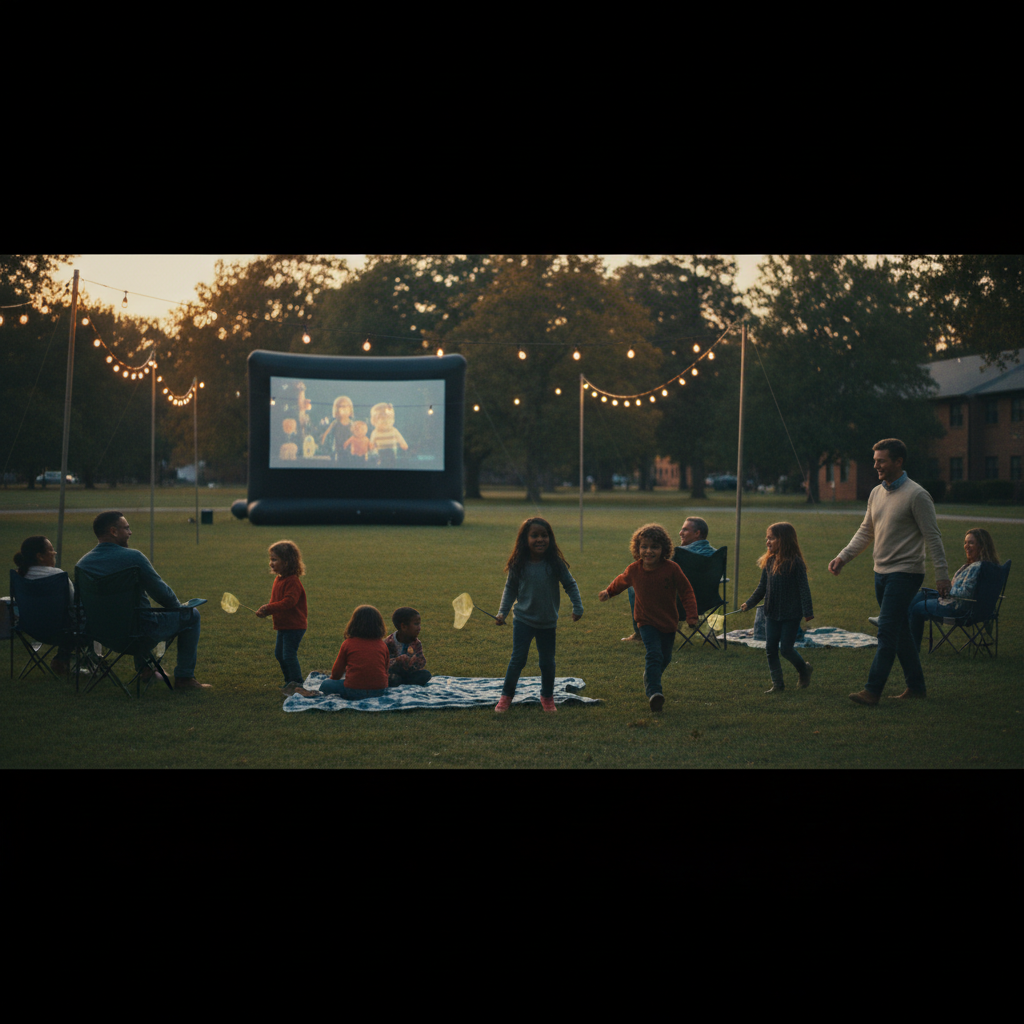
For military families in 2026, finding a sense of community, opportunities for fun, and crucial support services is more important than ever. That's where Morale, Welfare, and Recreation (MWR) programs step in. Often seen as just gyms or bowling alleys, MWR is a vast network designed to enhance the quality of life for service members and their families, offering everything from childcare and personal development to adventure travel and arts programs. It’s about building resilience, fostering camaraderie, and making military life truly enriching, whether you're stationed stateside or overseas.
Key Takeaways
- Explore your local MWR website and offices to uncover the full spectrum of available programs and services.
- Utilize MWR facilities like gyms, pools, and community centers to stay active and connect with others.
- Engage with MWR family programs, including Child and Youth Services (CYS) and spouse clubs, for support and social opportunities.
- Save money by taking advantage of discounted MWR travel, recreation, and event tickets.
- Volunteer with MWR initiatives to give back to your military community and gain valuable experience.
What is MWR, and Why Does It Matter to You?
At its core, MWR is a Department of Defense (DoD) initiative providing a wide array of support and recreational activities for service members, their families, retirees, and DoD civilians. Think of it as the heartbeat of base life, offering resources that directly contribute to physical fitness, mental well-being, and family stability.
In 2026, MWR programs continue to evolve, integrating new technologies and responding to the diverse needs of today's military community. It's not just about entertainment; it's a vital component of military readiness, ensuring that those who serve and their families have access to the resources they need to thrive.
Why it matters to YOU:
- Enhanced Quality of Life: MWR programs combat stress, promote healthy lifestyles, and provide outlets for leisure and personal growth. This includes stress reduction workshops, resilience training, and access to outdoor and indoor recreational activities that serve as healthy diversions from the pressures of military life.
- Community Building: They create opportunities to meet people, build friendships, and strengthen the bonds within the military community, which is especially crucial during PCS moves. MWR-sponsored events like community festivals, holiday parties, and family days foster a sense of belonging and make transitions smoother.
- Cost Savings: Many MWR services are free or offered at significantly reduced rates compared to civilian alternatives, helping your budget stretch further. This is particularly beneficial for military families navigating fluctuating incomes or single service members looking to save. For example, a gym membership or a family outing to an amusement park can cost hundreds annually in the civilian world, while MWR offers these at minimal or no cost.
- Family Support: From childcare to youth sports, MWR is often the backbone of family support on base. This comprehensive support network allows service members to focus on their duties with peace of mind, knowing their families are well-cared for. It includes accredited childcare, youth development programs, and family enrichment activities.
- Resilience: By providing avenues for physical activity, social connection, and personal development, MWR directly contributes to the resilience of service members and their families. This holistic approach strengthens individuals and units, ensuring they are better equipped to handle the unique challenges of military service, including deployments and frequent relocations.
1. Fitness and Recreation: Beyond the Base Gym
MWR's fitness and recreation offerings are extensive, designed to cater to a wide range of interests and fitness levels. While the state-of-the-art gyms are often the first thing people think of, there's so much more. The emphasis in 2026 is on accessible, inclusive, and technologically integrated programs that encourage holistic well-being.
State-of-the-Art Fitness Centers
Most installations boast impressive fitness centers equipped with modern cardio machines, weightlifting equipment, and functional training areas. These facilities are constantly updated with the latest equipment, from smart treadmills with virtual reality integration to specialized functional training rigs. Many offer:
- Group Fitness Classes: Yoga, Pilates, Zumba, spin, boot camps, high-intensity interval training (HIIT), CrossFit-style workouts, aquatic fitness, and more, often led by certified instructors. These classes are typically free or offered at a minimal charge, providing a high-value alternative to civilian studios. Some installations even offer specialized classes like adaptive fitness for individuals with disabilities or pre/post-natal fitness for military spouses.
- Personal Training: Access to professional trainers at affordable rates to help you achieve your fitness goals. Trainers are often certified through national organizations and can create customized workout plans, offer nutritional guidance, and provide one-on-one motivation. This is a significant advantage for service members with specific fitness requirements or individuals recovering from injuries.
- Intramural Sports: Join leagues for basketball, volleyball, softball, soccer, flag football, ultimate frisbee, and other team sports, fostering friendly competition and camaraderie. These leagues are open to service members, dependents, and sometimes DoD civilians, providing a fantastic way to build unit cohesion and forge friendships outside of work.
- Aquatics: Indoor and outdoor pools for lap swimming, water aerobics, recreational use, and often splash pads for children. Some even offer swim lessons for all ages, from infant survival skills to advanced stroke correction, taught by certified lifeguards and instructors. This provides both fitness and a vital recreational outlet, especially in warmer climates.
Outdoor Recreation (ODR)
This is where the adventure truly begins! ODR programs are often a hidden gem, providing gear rentals and organized trips for a fraction of the cost you'd pay commercially. In 2026, ODR programs continue to focus on connecting service members and families with nature and adventure, incorporating sustainable practices and leveraging digital platforms for bookings and information.
- Gear Rentals: Rent camping equipment (tents, sleeping bags, stoves), kayaks, paddleboards, canoes, bicycles (mountain bikes, road bikes), skis, snowboards, fishing gear, climbing equipment, generators, bounce houses, and more. This is perfect for trying out a new hobby without the upfront investment, saving families hundreds or thousands of dollars.
- Guided Trips: ODR often organizes trips for hiking, climbing, white-water rafting, skiing, deep-sea fishing, scuba diving, horseback riding, and cultural excursions to local attractions. These are fantastic opportunities to explore your new duty station, meet like-minded people, and experience unique regional activities with experienced guides and often discounted transportation.
- RV Parks & Campgrounds: Many bases have their own RV parks and campgrounds, offering affordable lodging options for your next adventure or PCS move. These facilities often include hookups, shower houses, laundry, and sometimes even amenities like playgrounds or direct beach access.
- Boating & Marinas: If your base is near water, you might find marinas offering boat rentals, slips, sailing lessons, fishing charters, and even waterfront dining. These can range from small fishing boats to larger sailboats, providing access to marine recreation typically reserved for affluent civilians.
Entertainment & Leisure
It's not all about breaking a sweat! MWR also provides numerous opportunities for relaxation and entertainment, crucial for mental well-being and family bonding.
- Bowling Alleys: A classic family favorite, often with leagues, cosmic bowling nights, birthday party packages, and snack bars. Many offer discounted rates for active duty and special promotions for families.
- Movie Theaters: Many bases still operate theaters showing current films at greatly reduced prices, often before they hit streaming services or for a fraction of civilian cinema costs. Some even feature 3D or DBOX experiences.
- Arts & Crafts Centers: Discover your creative side with pottery, painting, woodworking, laser engraving, scrapbooking, framing, and other workshops. These centers often have specialized equipment that would be expensive to own personally, allowing patrons to explore new hobbies or create personalized gifts.
- Libraries: More than just books, base libraries offer extensive digital resources, community events, study spaces, and children's programs. They are evolving into modern community hubs, incorporating technology and diverse media.
- Golf Courses: Many installations feature well-maintained golf courses, often with pro shops, driving ranges, and instruction from PGA professionals. Green fees are significantly lower than civilian courses, making golf an accessible sport for service members and their families.
2. Child and Youth Programs (CYP): Support for Military Families
For military families, reliable and affordable childcare and youth programs are absolutely essential. MWR's Child and Youth Programs (CYP), often referred to as Child Development Centers (CDCs) and School Age Care (SAC), are a cornerstone of military family support. In 2026, these programs continue to prioritize safety, quality, and accessibility, leveraging technology for enhanced parent communication and program management.
Child Development Centers (CDCs)
CDCs provide full-day, part-day, and hourly care for infants, toddlers, and preschoolers (ages 6 weeks to 5 years). In 2026, the focus remains on high-quality, accredited care that supports child development, with an increasing emphasis on early STEM and literacy initiatives.
- Accreditation: Most CDCs are accredited by national organizations like the National Association for the Education of Young Children (NAEYC) or the Council on Accreditation (COA), ensuring high standards of care, safety, and education that often surpass civilian benchmarks. This means robust staff-to-child ratios, rigorous safety protocols, and a developmentally appropriate curriculum.
- Developmentally Appropriate Curriculum: Programs are designed to promote cognitive, social, emotional, and physical development through play-based learning, structured activities, and age-appropriate educational experiences. This includes fostering language skills, problem-solving, and social-emotional intelligence.
- Trained Staff: Caregivers undergo rigorous training, extensive background checks, and continuous professional development, ensuring they are equipped to meet the unique needs of military children, including those experiencing stress due to deployments or frequent moves. Many staff hold degrees in early childhood education.
- Priority Enrollment: Active duty single parents and dual military families often receive priority. However, demand often exceeds availability, so early registration is crucial. Other priority categories include service members with a deployed spouse, DoD civilians, and contractors, usually in that order.
School Age Care (SAC)
For children ages 5-12 (or up to 18 for some youth programs), SAC provides before- and after-school care, holiday camps, and summer camps. These programs are designed to complement the school day, offering enriching activities and a safe environment.
- Homework Help: Supervised homework time and academic support, often with staff who can assist with various subjects, ensuring children stay on track with their studies.
- Recreational Activities: Organized games, arts and crafts, STEM projects, sports, and field trips to local attractions, museums, and parks. These activities promote social interaction, creativity, and physical activity.
- Safe Environment: A structured and supervised setting for children during non-school hours, minimizing risks and providing parents with peace of mind. Many SAC programs are also accredited, further reinforcing their commitment to quality.
Youth Centers
Youth centers often cater to pre-teens and teenagers (typically ages 10-18), offering a variety of social, recreational, educational, and leadership development opportunities. These centers aim to provide a positive environment that fosters resilience and prepares youth for future success.
- Teen Programs: Clubs (e.g., robotics, drama, photography), dances, leadership opportunities (e.g., Youth of the Year programs), community service projects, and skill-building workshops (e.g., coding, financial literacy).
- Sports Leagues: Organized sports teams for older children, promoting teamwork, discipline, and healthy competition beyond the school system.
- Mentorship: Opportunities for positive youth development and mentorship through interactions with dedicated staff and older peers. Many centers partner with Boys & Girls Clubs of America or 4-H, offering nationally recognized programs.
Navigating Childcare Waitlists
The demand for military childcare is consistently high across all branches and installations. Here’s how to navigate the system in 2026, which relies heavily on the centralized MilitaryChildCare.com platform:
- Register Early: As soon as you have PCS orders, or even before if possible, register your child on the MilitaryChildCare.com (MCC) website. This is the centralized system for all branches and is the only way to get on a waitlist. Create a profile for each child and input all required information accurately.
- Be Flexible: Indicate willingness for different types of care (e.g., family childcare homes (FCC), part-day care, hourly care) if available. Sometimes a temporary part-time spot can get your foot in the door faster than waiting for a full-time slot. Explore options at satellite CDCs or neighboring installations if commute times are feasible.
- Explore Alternatives: If CDC spots are unavailable for your priority category, ask MWR about certified Family Child Care (FCC) homes (in-home care providers on base vetted, trained, and monitored by the military). These are often more flexible and provide a smaller, home-like environment. Also, inquire about fee assistance programs for off-base civilian childcare if no on-base options are available. The military offers subsidies for eligible families using approved civilian providers.
- Stay in Touch: Periodically check in with the CDC/CYP office at your gaining installation for updates on your waitlist status, but be aware that they can only offer spots as they become available via MCC. Regularly update your MCC profile to reflect any changes in your situation (e.g., new employment, deployment status).
3. Family Support and Community Programs
MWR isn't just for kids and fitness; it's also a hub for family support, education, and community engagement. These programs are designed to ease the challenges of military life and foster a strong, connected community, crucial for overall well-being and readiness. In 2026, there's an increased focus on digital integration and proactive outreach to ensure no family feels isolated.
Community Centers
These are often the heart of social activity on base, hosting a variety of events and providing resources. They serve as versatile spaces that adapt to the community's needs.
- Classes and Workshops: Offer a diverse range of educational and enrichment opportunities, including cooking classes (e.g., "Taste of the Region" with local cuisine), financial literacy workshops (e.g., budgeting for PCS, investment basics), language lessons (e.g., host nation language, sign language), resume building, craft workshops (e.g., knitting, jewelry making), and gardening clubs. These are often taught by volunteers or local experts.
- Special Events: Host holiday parties (e.g., Easter egg hunts, Trunk-or-Treat), cultural festivals (e.g., diversity celebrations, host nation appreciation), concerts, outdoor movie nights, family fun days, and talent shows. These events build community spirit and offer accessible entertainment.
- Meeting Spaces: Available for unit functions, spouse groups, community organizations, study groups, and private events (e.g., birthday parties, retirement ceremonies). These spaces often come equipped with audiovisual equipment and kitchen access.
Family Readiness Groups (FRGs) & Spouse Clubs
While not strictly MWR-run, MWR often provides support, facilities, and promotional assistance to these vital volunteer-led groups. They are peer-to-peer networks that provide crucial emotional and practical support.
- FRGs: Unit-level groups designed to provide support, information, and a sense of community for military families, especially during deployments, PCS moves, or challenging times. They facilitate communication between the command and families, organize morale-boosting activities, and offer a platform for shared experiences. MWR might assist FRGs by providing meeting spaces, catering services for events, or promoting their activities.
- Spouse Clubs: Offer social activities, networking, and philanthropic opportunities for military spouses. They are an excellent way to make friends, get involved in the community, and develop leadership skills. MWR might co-sponsor spouse club events, provide discounted tickets for outings, or offer space for their meetings and fundraisers.
Relocation Assistance
MWR often partners with Family Support Centers (or equivalent, e.g., Army Community Service (ACS), Fleet and Family Support Center (FFSC), Airman & Family Readiness Center (A&FRC)) to provide essential relocation assistance. While dedicated articles like "PCS Smart: Navigating Your Entitlements & Avoiding Common Pitfalls" cover the specifics, MWR complements these efforts by helping you settle into your new community.
- Welcome Packets: Information about local attractions, services, base amenities, and key contact numbers. These packets might include MWR-specific discount vouchers or guides to local recreation.
- Newcomer Orientations: Sessions to help families acclimate to their new duty station, covering topics from local culture and school systems to base resources and emergency services. MWR representatives often present on available recreational and family programs.
- Temporary Lodging: Some MWR facilities offer affordable temporary lodging options (e.g., lodges, cabins, cottages, guest houses) while you're waiting for on-base and off-base housing listings to become available. These are often more spacious and family-friendly than standard hotels and can be a significant cost-saver during a PCS.
Leisure Travel Services (LTS)
Planning a vacation? MWR's Leisure Travel Services can be a game-changer for your budget, offering access to military-exclusive discounts and expert travel planning assistance.
- Discounted Tickets: Purchase tickets for theme parks (Disney World, Disneyland, Universal Studios, Six Flags, Busch Gardens), local attractions (zoos, aquariums, museums), sporting events, concerts, and shows often at significantly reduced military rates. These savings can be substantial for a family outing.
- Travel Planning: Assistance with booking cruises, hotels, rental cars, and sometimes even flights, often with exclusive military discounts or packages that aren't available to the general public. LTS staff are knowledgeable about military-friendly destinations and deals.
- Vacation Packages: Special packages tailored for military families, sometimes including exclusive access to military-owned resorts (e.g., Shades of Green at Walt Disney World Resort, Hale Koa Hotel in Hawaii) or bundled deals with transportation and activities.
4. Education and Personal Development
MWR also plays a crucial role in fostering personal growth and lifelong learning for service members and their families, contributing to career readiness and overall intellectual enrichment. These programs are often intertwined with base education and family readiness centers.
Libraries
Modern base libraries are vibrant community hubs, far beyond just books. In 2026, they are increasingly digital, interactive, and focused on providing diverse resources for all ages.
- Extensive Collections: Offer a wide array of physical books, DVDs, CDs, magazines, and a rapidly growing collection of e-books, audiobooks, and digital magazines accessible via apps.
- Digital Resources: Provide free access to online databases for research (e.g., academic journals, consumer reports), language learning software (e.g., Rosetta Stone, Transparent Language), online tutoring services, career development tools, and streaming services for movies, music, and educational content. This saves families hundreds in subscription fees.
- Programs: Host a variety of engaging events, including story times for children (often with crafts), book clubs for adults, author visits, summer reading programs, coding camps, and workshops on topics like digital literacy, resume writing, or genealogy.
- Technology Access: Feature computer labs with internet access, free Wi-Fi, printing and scanning services, and sometimes even advanced tech like 3D printers, virtual reality stations, or recording studios, democratizing access to modern tools.
Education Centers
While not directly MWR, Education Centers often work in tandem with MWR by utilizing MWR facilities for classes or providing resources for MWR-run workshops. These centers help service members and spouses pursue higher education, vocational training, and testing services. MWR's role is often to provide the supportive environment and logistical assistance for these educational endeavors.
- College Courses: Facilitate on-base college programs through partnerships with accredited universities, offering associate's, bachelor's, and master's degrees. They also provide testing facilities for standardized exams (e.g., CLEP, DSST, SAT, GRE).
- Career Counseling: Offer guidance for career advancement, educational planning, and job search strategies, including for military spouses looking for military-friendly jobs board. This can involve resume reviews, interview coaching, and connecting individuals with employment resources.
- Certification Programs: Opportunities to gain professional certifications (e.g., project management, IT, healthcare) that are valuable for both military and civilian careers, often with tuition assistance guidance.
5. MWR Eligibility and Access in 2026
Who can use MWR facilities and services? The good news is that eligibility is broad, though it can vary slightly by program and installation. MWR aims to serve the broadest possible segment of the military community.
Generally Eligible Patrons:
- Active Duty Service Members: All branches of the U.S. Armed Forces (Army, Navy, Air Force, Marine Corps, Space Force, Coast Guard). This includes personnel on temporary duty assignments (TDY).
- Reservists and National Guard Members: While on active duty or in drilling status. Many MWR facilities also extend eligibility to these members and their families on a space-available basis during non-drill periods.
- Military Retirees: All retired service members, including those with retired reserve status, are fully eligible.
- Family Members: Spouses and dependents of eligible service members (often with dependent ID cards, DD Form 1173 or 1173-1) up to age 21 (or 23 if enrolled in a full-time college program, or regardless of age if incapacitated). Gold Star families (surviving family members) also have access to many MWR programs.
- DoD Civilians: Civilian employees of the Department of Defense, often with full MWR privileges, especially if working on the installation.
- Veterans: Veterans with 100% service-connected disability, Purple Heart recipients, former prisoners of war, and Medal of Honor recipients, are eligible for MWR patronage and often receive full access. Some MWR facilities (like golf courses or bowling alleys) may also have limited access for other categories of veterans or civilians, often at a slightly higher rate or on a space-available basis. Check with the specific MWR facility.
- DoD Contractors: Sometimes, but access can be restricted to specific facilities or services depending on the installation, the terms of their contract, and current base security posture. Contractors typically have the lowest priority and may pay higher fees.
How to Access:
- ID Card: Your Common Access Card (CAC) or military ID card (DD Form 2, 1173, or 2765) is generally required for access to facilities and to verify eligibility. Ensure your ID is current and valid.
- Base Access: You'll need to have base access to use on-base MWR facilities. For those without continuous base access (e.g., some veterans, guests), check with the Visitor Control Center (VCC) or Pass & ID office for specific guidance on obtaining temporary passes for MWR use. Requirements can include a valid photo ID, vehicle registration, and proof of insurance, and may involve background checks.
- Registration: Some programs (like childcare, fitness classes, ODR trips, or specific workshops) require advance registration and payment. This can often be done online through the MWR website, MilitaryChildCare.com, or in person at the respective facility. Spots can fill up quickly, especially for popular programs.
Finding Your Local MWR:
- Installation Websites: Every base has an official website, and MWR will have a dedicated section. Search for "\[Your Base Name] MWR" to find their site. These sites are regularly updated with calendars, hours, and program details.
- Base Guides: BaseNeed offers base guides that often link directly to MWR pages and provide an overview of available MWR services relevant to that specific installation.
- Social Media: Follow your local MWR pages on Facebook, Instagram, or other platforms for real-time updates, event schedules, special promotions, and last-minute changes. Many MWR departments have active social media presences.
- On-Base Signage: Look for posters, flyers, and digital screens around base, especially in high-traffic areas like commissaries, exchanges, and barracks.
- The MWR Office: Stop by the main MWR office or a specific facility (e.g., fitness center, library) on your installation for program guides, brochures, and personal assistance. The staff are typically very knowledgeable and eager to help you discover what's available.
FAQ
What exactly does MWR stand for?
MWR stands for Morale, Welfare, and Recreation. These programs are provided by the Department of Defense to support the readiness and resilience of service members and their families by offering a wide range of quality-of-life activities and services. The "Morale" component focuses on boosting spirits and mental well-being, "Welfare" addresses the overall health and prosperity, and "Recreation" provides outlets for leisure and physical activity.
Are MWR facilities and services only for active duty personnel?
No, MWR facilities and services are generally available to a wide range of patrons including active duty service members, their families (spouses and dependents), National Guard and Reserve members (especially during active duty or drill periods), military retirees, DoD civilians, and certain categories of veterans (e.g., 100% disabled veterans, Purple Heart recipients). Eligibility can vary slightly by program or installation, so always check with your local MWR office for specific access rules.
How can I find out what MWR programs are available at my base?
The best and most comprehensive ways to discover local MWR programs are to visit your installation's official MWR website (search "\[Your Base Name] MWR"), check their social media channels (Facebook, Instagram), or stop by the main MWR office or individual facilities (e.g., fitness center, library) on base. They often publish calendars of events, facility hours, and detailed program guides that are updated regularly.
Do MWR programs cost money?
Some MWR programs and facilities are free to use (e.g., basic gym access, library resources), while others charge a nominal fee to cover operational costs or special events (e.g., group fitness classes, ODR trips, childcare, discounted tickets). However, prices are typically significantly lower than comparable civilian options, reflecting the MWR mission to provide affordable recreation and support to the military community.
What types of fitness programs does MWR offer?
MWR fitness programs are extensive and cater to diverse needs. They include state-of-the-art gyms equipped with cardio and weightlifting equipment, a variety of group exercise classes (such as yoga, Zumba, spin, boot camps, HIIT), intramural sports leagues (like basketball, soccer, softball), personal training services, and aquatic programs (pools for lap swimming and water aerobics). Many bases also offer outdoor recreation options like running clubs or access to sports complexes.
Can MWR help me plan a vacation?
Yes, many MWR offices offer Leisure Travel Services (LTS). These services can be incredibly helpful for planning affordable travel. They provide discounted tickets for major theme parks (like Disney and Universal), local attractions, sporting events, and concerts. LTS can also assist with booking cruises, hotels, and sometimes flights, often securing exclusive military discounts and vacation packages not available to the general public, helping military families save money on their getaways.
What to Do Next
Don't let MWR remain a mystery! Take action today by visiting your installation's official MWR website or stopping by the main MWR office. Grab a program guide, check out their calendar of events, and start exploring the incredible opportunities available to you and your family. Sign up for an intramural sports league, enroll your child in a youth program, or plan your next family vacation through Leisure Travel Services. For even more insights into military life, don't forget to check out our broader military life resources for comprehensive support across all aspects of your military journey.
Read Full Article on BaseNeed →
Related Base Life guides
- → Decoding Base Schools: Enroll, Support, & Thrive in 2026 — 15 min read read
- → Commissary & Exchange: Beyond Groceries & Duty-Free — 28 min read read
- → Unlocking Your Base's Childcare: A Parent's Guide to CDCs & More — 25 min read read
- → Navigating On-Base Healthcare: Your 2026 TRICARE & MTF Guide — 14 min read read
- → Unlocking Your Base's Best: 2026 Guide to MWR & More — 13 min read read
- → Unlocking On-Base Childcare: Your 2026 Guide to Military CDCs — 33 min read read